AI security threats, without the blind spot

Real-Time Threat Briefings, Every Shift

When a zero-day lands during handover, who has time for a blind spot? Leading AI Briefing turns SIEM, XDR, and threat intel noise into shift-specific briefings, so every analyst starts informed and ready to contain the blast radius.

Shift-aware delivery Real-time AI correlation Clean handover notes
40% Faster MTTR across monitored SOCs.
5 min Readable handover from incident overload.
24/7 Briefings triggered by severity, shift, or on-call rotation.

Built for the SOC

AI briefings that keep analysts sharp

Alert storms are messy. Why hand them over that way? These briefings deduplicate, score, and summarise the events that actually matter, then deliver the right version to the right role.

Alert aggregation that trims the noise

We pull in active incidents, high-risk events, and threat intel updates, then collapse the clutter into a shift-ready summary your team can trust.

  • Deduplicated incident roll-ups
  • Risk-ranked priorities for the next analyst
  • AI threat detection tuned to the current shift
Handover reports that actually help

Open cases, action history, and unresolved indicators are captured automatically. No more digging through chat threads at 06:55.

  • Incident timelines and next steps
  • Shift handover documentation in seconds
  • Audit-friendly records for managers

Role-based delivery by design

L1 analysts get the crisp version. SOC leaders get the strategic view. Everyone gets the context they need, and nothing they don't.

  • L1 triage and escalation prompts
  • Manager summaries with trend signals
  • IT security team updates tailored by role

Architecture

Seamless integration with your security stack

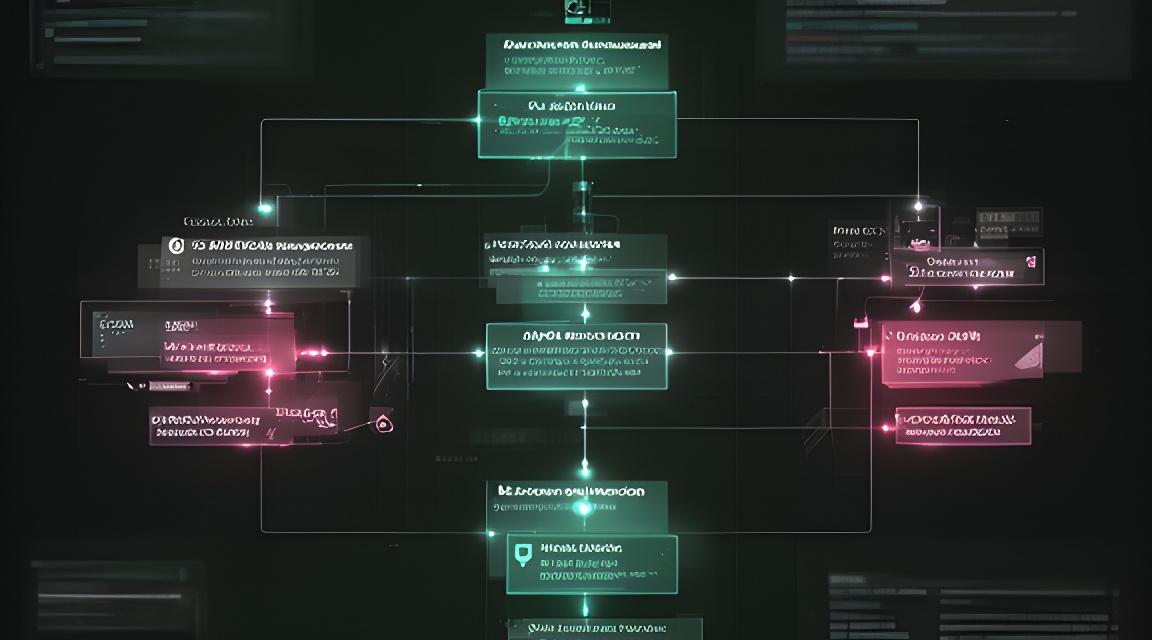
Splunk. Sentinel. CrowdStrike. Custom REST APIs. If your environment already sees the threat, why make your analysts hunt for it again? Leading AI Briefing ingests the signal, enriches the context, and schedules the right brief at the right time.

Security operations architecture on a dark dashboard with connected alert streams and briefing nodes

Flow

From raw alerts to a usable brief

01

Ingest

Logs, alerts, and intel feeds arrive from SIEM, EDR, and threat sources.

02

Enrich

The AI engine adds context, confidence, and recommended actions.

03

Schedule

Briefings fire on shift change, severity, or on-call escalation.

04

Deliver

Analysts receive a clean brief with what matters now.

  • Integration with Splunk, Sentinel, CrowdStrike, and custom REST endpoints
  • Automated documentation for seamless shift handover
  • Threat correlation that reduces alert fatigue

Handover comparison

Before and after the brief goes live

Do your shift leads really need another 45-minute call? The better pattern is shorter, cleaner, and easier to act on.

Before

Unstructured shift call

Forty-five minutes of catch-up, fragmented notes, stale indicators, and one analyst repeating what someone already said in chat.

  • Missing IoCs
  • Outdated threat feeds
  • Slow escalation
After

Five-minute AI brief

A concise readout with top threats, active incidents, ownership, and next steps. It lands before the shift starts, not after the first alert burns everyone out.

  • Contextual risk ranking
  • Incident history and owner notes
  • Actionable next-step prompts

Client result

Threat response time cut by 40%

A top-tier financial institution used Leading AI Briefing to tighten continuity between shifts. The question was simple: can the next analyst respond faster if they start with the right context?

“The shift briefings gave us the continuity we were missing.”

Incident escalation time dropped from 15 minutes to 2. The team stopped re-litigating the same alert and started responding with a shared picture.

Hussaini Htv, SOC Lead

“We finally stopped losing context at handover.”

The brief captured active incidents, missed intel, and ownership changes in one place. Why should analysts rebuild the story from scratch every shift?

Brennae Bseikri, Director of Security Operations

“Our response window shrank fast.”

What used to take a long call and several messages now takes one clean read. We believe that’s how shift teams should work.

Olatunji Zahradnicek, CISO Partner

Next step

Arm your analysts with shift intelligence

Don't let your SOC run blind during handover. Get a pilot that connects your threat sources, briefs your shift teams, and gives managers a cleaner view of what’s happening right now.

Address

169 Hope Street, New York, NY 11211, USA